


Elephant Educational Tour at Borobudur Temple
PT Taman Wisata Candi Borobudur, Prambanan & Ratu Boko (Persero) is always committed to realizing Quality Tourism (Quality TourismOne effort is to create an Elephant Feeding Package at the Borobudur Temple Tourism Park complex. This Elephant Feeding Package is a hands-on activity for visitors to enjoy, based on the interpretive work of the elephant relief panels at Borobudur Temple.
"So there's a correlation, a common thread between the education about the Borobudur Temple reliefs and the attractions and activities at the Borobudur Temple Tourism Park complex. Learning about the elephant reliefs, followed by the elephant feeding activity, will be an interesting experience for visitors," said Pujo Suwarno, Marketing & Sales Vice President of PT Taman Wisata Candi Borobudur, Prambanan & Ratu Boko (Persero).
The Borobudur Temple Tourism Park (TWCB) unit office was entrusted with the care of five elephants: Bona, Zela, Echa, Lisi, and Indra. TWCB, in collaboration with relevant parties, wholeheartedly cares for these five elephants. They are provided with a decent living environment, good food, and excellent health care. Elephant handlers lovingly care for them, occasionally playing with them and taking them for walks around the Borobudur Temple Tourism Park complex. Visitors to Borobudur Temple can even interact with the elephants. They can share their affection with the elephants, feed them, and take photos with them. While interacting with the elephants, visitors will experience... Story Telling from the Handler about the life of Elephants.
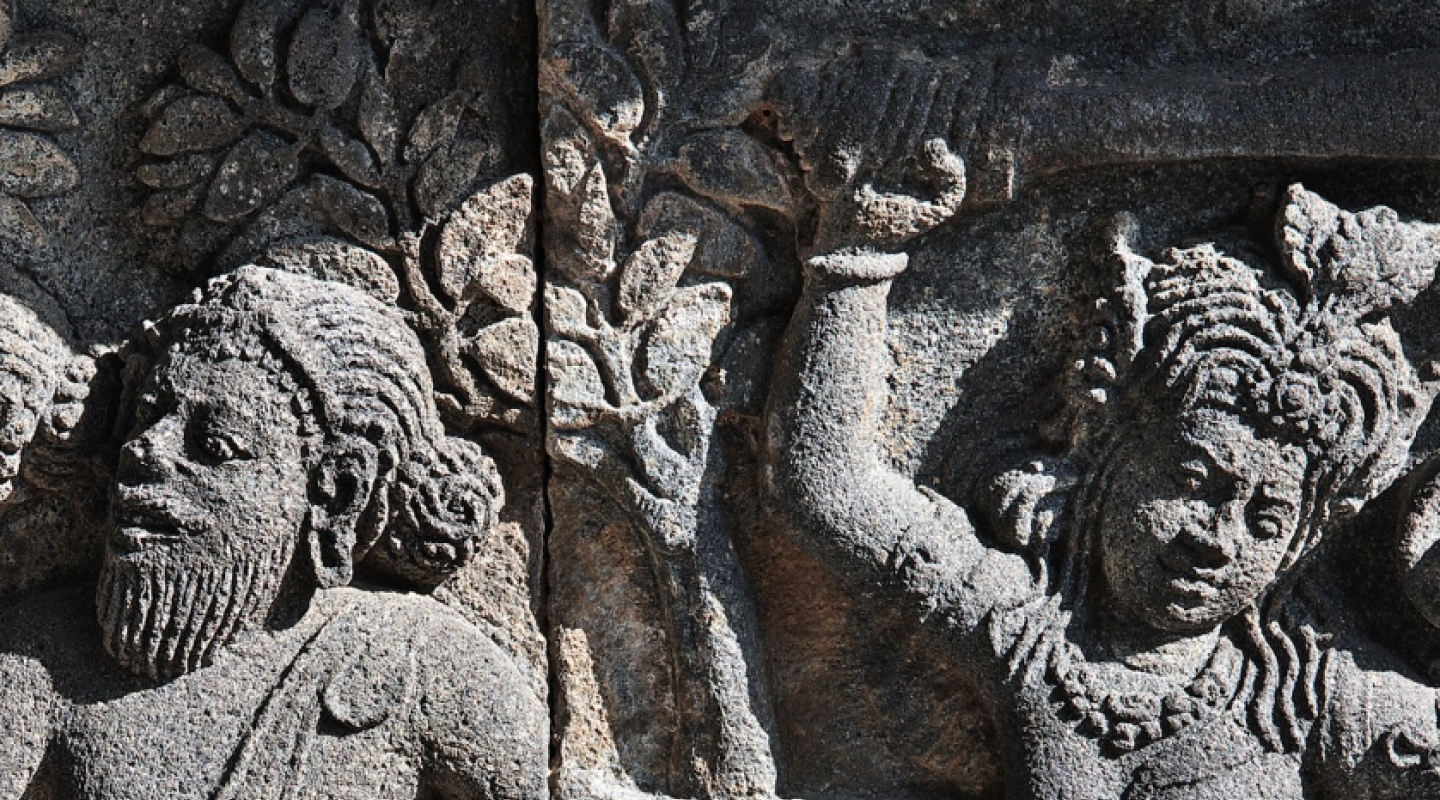
Speaking of elephants, there are educational values we can learn from the reliefs of Borobudur Temple, one of which is the Jataka Gajah Agung story, which tells the story of an elephant's sacrifice in the desert. This relief is located on the south side of Borobudur Temple, Floor 3/Corridor 1, on the upper balustrade, on the H plane of panels 6, 7, and 8.
It is said that the Bodhisattva was born as a noble elephant. One day, the elephant was on the edge of a forest surrounded by desert. Suddenly, the elephant met a group of people who were hungry, thirsty, and exhausted, and were crying out for help. The elephant's heart was moved to help the people. The elephant then told the group to walk to a valley at the foot of the mountain. The elephant said that there was a lake with very clear water, nearby was a dead elephant, so they could eat the elephant's meat, and take its intestines to make water bags for their journey home.
The group then walked towards the place indicated by the Elephant. Meanwhile, the Elephant took another path to climb the mountain from a different side. Upon reaching the top of the mountain, the Elephant then dropped down, right into the valley at the foot of the mountain. When the group arrived at the valley at the foot of the mountain, they found a lake with clear water and a dead Elephant. How happy they were to see the spring and the fresh Elephant carcass. They then cut up the Elephant's flesh and ate it. Not forgetting they also stored water using the Elephant's intestines.
The group then resumed their journey, their bodies refreshed and strong. They were completely unaware that the elephant carcass they were eating belonged to the same elephant they encountered along the way, the one that had sacrificed itself to help them.
This is one of the exemplary stories we can learn from the reliefs of Borobudur Temple. A visit to Borobudur Temple isn't just for the photo ops; it offers a richer experience, learning about history and exploring the educational values of the reliefs carved into the walls of Borobudur Temple, one of which is the moral lesson about the meaning of sacrifice, as depicted in the story above. This will make your visit more meaningful, and encourage you to return to hear the rest of the story.


